

At a Glance
- Kevin Warsh was sworn in as Federal Reserve Chair today and inherits an economic landscape that has shifted dramatically since his January nomination — headline CPI is up to 3.8%, mortgage rates have risen 53 basis points in twelve weeks, and real wage growth has been erased by the Iran war and trade shock.
- Warsh immediately faces a direct test of his independence: the data calls for holding or hiking, but the President who nominated him has made no secret of wanting cuts.
- Despite the headwinds, this is the strongest spring housing market in terms of activity since 2022 — new listings and contract signings are up nationally and in most major metros.
- Mortgage rates just hit 6.51%, the highest since August 2025. Affordability has deteriorated since mid-February, though it remains better than a year ago.
- The most durable path to housing affordability is not a rate cut when the data isn’t calling for one. It is a Fed that earns the market’s trust and delivers low, stable inflation that keeps long-term yields — and mortgage rates — well-anchored.
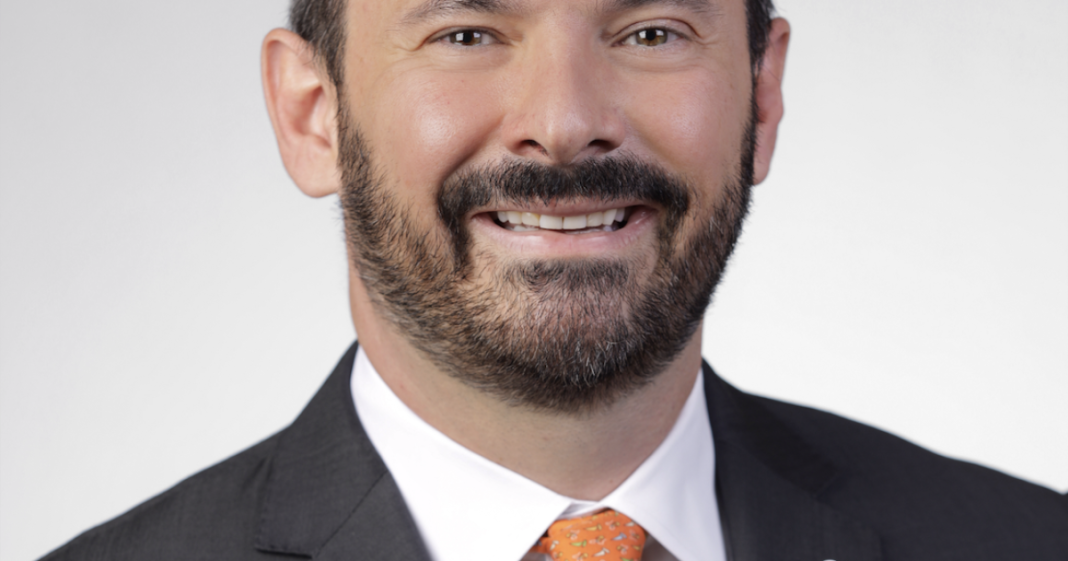
Kevin Warsh was just sworn in as Federal Reserve Chair. He inherits an economic landscape that has shifted significantly since his late January nomination. Headline CPI inflation has climbed to 3.8% from 2.4%, mortgage rates have risen 53 basis points in the past twelve weeks, and the Iran war and trade shock have effectively erased real wage growth. The path to lower Fed rates looks blocked by data and by the FOMC voters, and the path to lower mortgage rates has gotten far more complicated. Making things harder still, Warsh is immediately confronted with a direct test of his independence and data dependence: inflation reigniting while the job market is, mercifully, stabilizing means the Fed should certainly hold or hike, but the president who nominated him — and who, in a break from recent tradition, presided over the swearing in — has made no secret of wanting cuts. How Warsh navigates that tension will be the first real signal markets and American families get about what this new era at the Fed actually means.
On the housing front, despite the obvious headwinds, we are in the midst of the most active spring market in several years. But a market showing resilience in the face of shocks does not mean full immunity to them. With affordability deteriorating since mid-February and mortgage rates offering no relief, any sustained return to normalization is far from guaranteed. It may seem counterintuitive, but in an economy where employment is stable and inflation is rising, the most prudent and durable path forward for housing is not cutting short-term rates. This is not what financial markets expect of Warsh, given the circumstances of his nomination, but recent economic data may be a gift to the incoming Fed Chair because it gives him a very compelling reason to hold rates steady, at least for now, and demonstrate his independence that was so heavily questioned during his confirmation hearings. What the housing market needs is a Fed that does its job, earns the market’s trust, and delivers the low stable inflation that keeps long-term yields, and therefore mortgage rates, well-anchored.
“The same inflationary environment that makes cuts politically difficult is also the clearest road to legitimacy available to him.”
1. Does Warsh’s arrival mean rate cuts are coming? And would cuts even bring mortgage rates down?
No on both counts. Warsh is one of twelve votes on the FOMC, and the committee he is inheriting is recently on the record leaning toward hikes. More importantly, the Chair may officially set the FOMC agenda, but it has to be tied to economic conditions. Practically speaking, could Warsh even convince this FOMC to cut right now? Highly unlikely. Strategically speaking, should he try? Also probably not, based on months of hot inflation readings. But even if he eventually moves the committee toward cuts, that does not automatically translate to lower mortgage rates. There is a real catch-22: if markets think the Fed is cutting for political reasons rather than data-driven ones, that gets priced into long-term yields as the potential for higher inflation, and mortgage rates could actually rise even as the Fed cuts. Regardless, homebuyers should not expect Warsh’s swearing-in to ease rising mortgage rates.
2. How does the tension between what the data calls for and what the president wants play out — and what does that mean for Warsh’s independence and credibility?
This is the question that will define the early Warsh era, and the jury is still out. What confounded many Fed watchers is that Warsh was an inflation hawk when he served as governor from 2006 to 2011, then turned into a dove when interviewing for the job. The inconsistency itself is not the problem — good central bankers are data driven, not dogmatic. What raised eyebrows is the worry that he will keep pushing for cuts even when the data more clearly calls for the opposite, because that is the president’s preferred policy. That is where the rubber will meet the road with Warsh and Trump. A chair who is not data dependent cannot be independent. Warsh will have ample opportunity to prove his independence, but it will only truly be tested when he is forced to make a politically unpopular call. Perhaps the silver lining in today’s higher inflation readings and steady labor market is that the moment for Warsh to make a call at odds with the president’s wishes may come within his first few meetings.
“A chair who is not data dependent cannot be independent. Those are not two separate qualities. They are the same quality.”
3. Jerome Powell is staying on and the FOMC is divided. What does Warsh actually inherit — and why does it matter for consumers?
The reasons behind Powell staying matter as much as his presence itself. Powell is an institutionalist who views Fed independence as paramount. He essentially said at his last press conference that he would not be staying unless he thought it needed safeguarding. But he will be a member, a voter, and a consensus builder — not some sort of shadow chair. To the extent he disagrees with Warsh’s direction, expect that to happen behind closed doors, as a public showdown would actively make the FOMC’s job harder and consumers would feel it in long-term rates. The dynamics extend beyond Powell too. In logging three soft dissents at the last meeting in favor of future hikes, the committee went on the record deliberately before Warsh arrived, making clear their views are data-driven rather than personal or political.
4. What housing market is Warsh facing? And what can the Fed actually do about it?
A more active and resilient one than the headlines suggest, but also one that’s bracing for new headwinds each week. Mortgage rates just hit 6.51%, the highest since August 2025, and are up 53 basis points since before the Iran war. And yet, this is the strongest spring for housing activity since 2022, with new listings and contract signings up nationally and in most major metros. Affordability has deteriorated since mid-February but is still better than a year ago, as asking prices and mortgage rates remain below their levels this time last year. The market and the consumer have absorbed some real blows the last few months, but it is unclear how many more they can take.
What the Fed can actually do about it is limited. It cannot build homes, and it cannot directly set mortgage rates. What the housing market needs from the Fed is what it has always needed: low, stable inflation and a labor market strong enough to support real wage growth.
5. What would it actually take for a Warsh-led Fed to move the needle on housing affordability? Is Warsh the right person to deliver it?
The path to housing affordability, given what the Fed can actually control, runs directly through taming inflation and inflation expectations. Higher inflation means higher mortgage rates today, and failing to get it under control means higher rates for borrowers in the coming years too. Meanwhile inflation is simultaneously eroding the real wage gains families depend on and eating into their ability to save for a down payment. It is hitting affordability from both ends at once. Getting inflation under control before it spirals is the whole ballgame right now.
The most important and most underrated dynamic in all of this is Warsh’s own credibility. He has more to gain than any recent chair from confronting the economic headwinds straight on. Done right, that can only help the housing market too. The skepticism around him is real, and the best thing he can do is find ways to put it to rest by relying on the data and his Fed colleagues.
“Tackling inflation is Warsh’s clearest path to establishing the credibility he needs. Done right, that can only help the housing market too.”