

- Supporting data: As of Nov. 9, “yes” was ahead of “no” by 14,526 votes, and only 6,200 votes remained uncounted, according to city officials.
- Expert quote: “San Francisco is now officially on a path toward realizing its goal of retaining more public dollars for public interest investment.” —Walt McRee, president of the Public Banking Institute
Processing Content
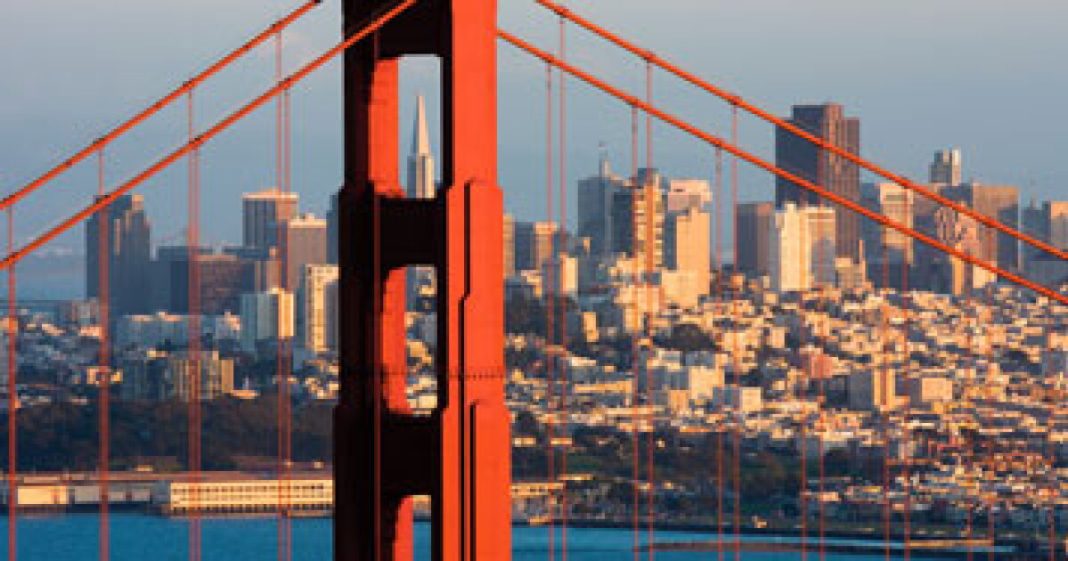
San Francisco has voted to create its own public bank, something no American city has ever done, though the plan still faces hurdles.
The California city
As of Monday, there were 6,200 votes still left to count in the contest — but the “yes” votes were ahead by 14,526, the San Francisco Department of Elections told American Banker. That was a turnaround from the early vote count last week, when the “no” vote was barely ahead.
“San Francisco is now officially on a path toward realizing its goal of retaining more public dollars for public interest investment, but pursuing that goal will require continued vigilance,” Walt McRee, president of the advocacy group the Public Banking Institute, said in a statement.
The current tally is 52.3% in favor of the proposal and 47.7% against it. The outcome is not final until the vote is certified in the first week of December, the San Francisco Department of Elections told American Banker.
McRee stressed that the battle is not yet over — nor will it be even after all the votes are counted.
“Folks should expect strong opposition from the private financial profiteers who have had access to the City’s arteries of wealth, and they will surely push back at every opportunity,” he said. “Vigilance and persistence will be required.”
Proposition B supports the establishment of a public bank by creating a governance framework, but it does not outline a funding mechanism. Supporters say the bank would offer low-cost loans in support of local needs, including affordable housing, green energy and small businesses.
The San Francisco Public Bank Coalition, an advocacy group that supported the ballot measure, argued that San Franciscans deserve an alternative to private banks, which it said engage in “socially and environmentally destructive practices.”
“The profit derived from their loans benefits private shareholders who are not accountable to our City,” the Coalition says on its
A similar ballot proposal in Berkeley, Measure Z, was more ambitious but, at least so far, less successful with voters. The measure would not only create a public bank in Berkeley but establish a city tax to fund it. As of Monday, the “no” votes were ahead by a margin of 56.1% to 43.9%.
San Francisco is not the first city to lay the legal groundwork for a public lender. In 2022, Philadelphia’s city council passed a law
The idea does have one oft-cited model in the U.S.: the 107-year-old Bank of North Dakota, the only state-owned bank in the United States. The public bank, which promotes the development of agriculture, commerce and industry in North Dakota, has issued loans at times when private lenders would not, including during the global financial crisis and the COVID-19 pandemic.
But critics question whether a unique North Dakota state institution could be transplanted to a California city. Opponents characterized the ballot proposals in San Francisco and nearby Berkeley as risky experiments that might backfire on their cities.
The Berkeley measure proposed a bank that would be funded by Berkeley residents but offer loans to the whole East Bay region, potentially exposing it to excessive risk, the advocacy group Affordable Berkeley told the
And the San Francisco proposal, critics emphasized, called for setting up a bank without creating or even outlining a way to fund it.
“We can support greater economic opportunity and affordability without embracing costly, unproven solutions,” Alan Wong, a member of San Francisco’s Board of Supervisors who opposed that city’s measure, told American Banker last week. “City Hall should focus on making existing programs and services work better before creating new institutions.”